Recent research suggests that moderate coffee drinking may support energy, heart health, brain health, and healthy aging. The key is not treating coffee as magic — but enjoying it as one small, pleasurable ritual within a healthy life.
For many of us, coffee is already part of the day.
It may be the first quiet moment in the morning. A warm cup after walking the dog. A reason to meet a friend. A small reward before starting a project, planning a trip, or heading out for an adventure.
But coffee is not just a habit. Over the past several years, research has continued to suggest that moderate coffee drinking may be linked with several health benefits — especially around energy, heart health, metabolism, liver health, healthy aging, and possibly brain health. [1][2][3]
The important word is moderate.
Coffee is not medicine. It is not a substitute for sleep, movement, good food, purpose, or connection. But for many people, it may be one of those everyday pleasures that fits surprisingly well into a healthy life after 55.
What the research seems to say
A growing body of research suggests that people who drink coffee in moderate amounts often have better health outcomes than people who drink none at all. The strongest evidence is observational, meaning researchers can identify associations, but cannot prove that coffee alone causes the benefit.
Still, the pattern is interesting.
A 2024 study reported by the Endocrine Society found that moderate coffee or caffeine intake — roughly three cups of coffee or 200–300 mg of caffeine per day — was associated with a lower risk of developing cardiometabolic multimorbidity. That means a lower risk of developing a combination of conditions such as type 2 diabetes, coronary heart disease, and stroke. [1]
A 2025 study in the European Heart Journal added another useful wrinkle: timing may matter. Researchers found that people who drank coffee mainly in the morning had a lower risk of death from any cause and from cardiovascular disease compared with non-coffee drinkers. The same benefit was not clearly seen in people who drank coffee throughout the day. [2]
That makes common sense. Coffee late in the day can interfere with sleep, and poor sleep can affect nearly everything: mood, weight, heart health, memory, balance, and resilience.


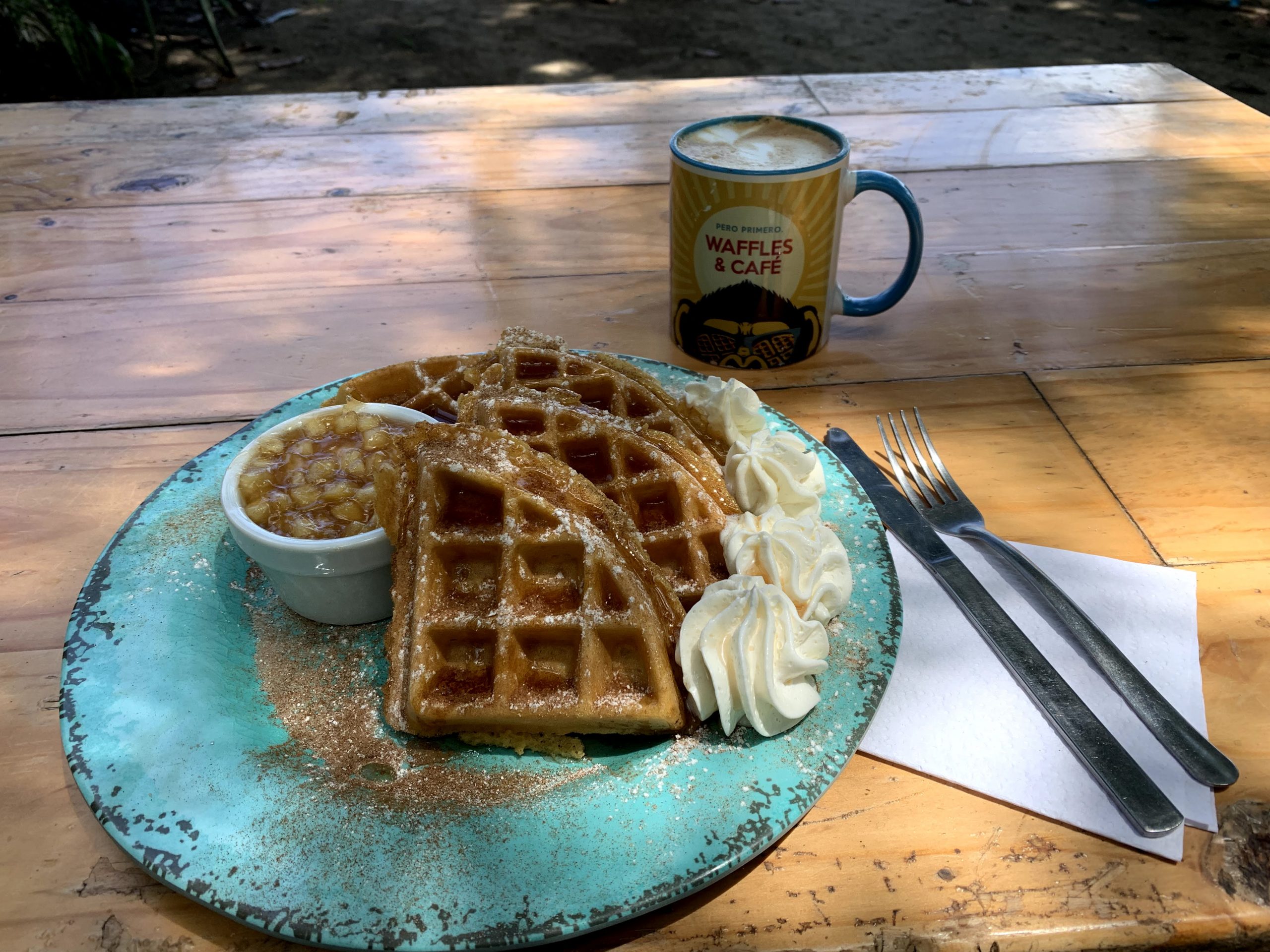
Energy: the obvious benefit
Coffee’s most noticeable benefit is the one we feel.
Caffeine can increase alertness, energy, and concentration. Harvard’s Nutrition Source notes that low to moderate doses of caffeine — roughly 50–300 mg — may improve alertness and focus, while higher doses can cause anxiety, restlessness, insomnia, or increased heart rate. [3]
That distinction matters.
The goal is not to push the body harder. The goal is to support a good day. For many people after 55, that may mean enjoying coffee early enough that it helps the morning without stealing from the night.
A good rule of thumb: if coffee affects your sleep, your body is giving you useful information.
Check out our blog post: A Morning Energy Boost: Discovering Bulletproof Coffee
Joy: the ritual matters too
Coffee is not only about chemistry.
It is also about rhythm. The cup. The smell. The pause. The conversation. The “let’s sit for a minute” feeling.
That matters because joy often lives in small repeated rituals. A cup of coffee on the porch, at the kitchen table, after yoga, before a walk, or with a friend can become one of those tiny anchors that makes a day feel more intentional.
The research may focus on caffeine, polyphenols, inflammation, and metabolism. But real life also includes pleasure, comfort, and connection.
That is part of thriving too.
Purpose: coffee as a pause, not just a stimulant
One of the hidden risks of coffee is that we can use it to override what the body is telling us.
Tired? Drink coffee.
Unfocused? Drink coffee.
Dragging all afternoon? Drink more coffee.
Sometimes that works. Sometimes it masks a deeper need: sleep, hydration, movement, better food, less stress, or a more realistic schedule.
A healthier approach is to turn coffee into a pause.
Before the second or third cup, ask:
Am I enjoying this, or am I compensating for something?
That simple question changes coffee from autopilot into awareness. And awareness is one of the foundations of a meaningful life.
Coffee is not a miracle cure — but it may be one of life’s better small pleasures.

Brain health: encouraging but not settled
Recent research has also explored coffee and cognitive health.
A 2026 study published in JAMA and summarized by Harvard and Mass General Brigham found that people who drank about two to three cups of caffeinated coffee daily had a lower risk of dementia and somewhat better cognitive outcomes compared with people who drank little or no caffeinated coffee. Decaffeinated coffee did not show the same association in that analysis. [4][5][6]
That is encouraging, but it should be interpreted carefully. These studies show associations. They do not prove that coffee prevents dementia.
Brain health is shaped by many things: sleep, blood pressure, exercise, social connection, hearing, diet, alcohol use, medications, genetics, and more.
Still, it is fair to say this: moderate coffee drinking does not appear to be the villain it was once sometimes made out to be.
Heart health: better news than many expected
For years, many people worried that coffee was bad for the heart. The newer picture is more nuanced.
The American Heart Association reported on 2024 research suggesting that coffee consumption in people with atrial fibrillation was associated with better cognitive performance and lower inflammatory markers. [7][8]
That does not mean everyone with a heart condition should drink coffee. People with arrhythmias, high blood pressure, anxiety, sleep problems, reflux, or medication interactions should follow their clinician’s advice.
But the blanket idea that coffee is simply “bad for your heart” is no longer supported by the full picture.
Healthy aging: another reason coffee keeps getting studied
A 2024 review in Ageing Research Reviews examined research on coffee, caffeine, and other coffee compounds in relation to aging. The review discussed evidence connecting moderate coffee consumption with lower risks of several chronic conditions and potential mechanisms related to inflammation, oxidative stress, metabolism, and cellular aging. [9]
A 2025 review also examined coffee consumption, cancer, and healthy aging, reflecting the growing scientific interest in coffee as part of a broader healthy-aging conversation. [10]
Again, this does not make coffee a cure or a guarantee. It simply means coffee deserves a more balanced reputation than it sometimes gets.
The sweet spot appears to be moderation: often two to three cups, preferably earlier in the day.
Adventure: coffee can support the life you want to live
At Seize the Bay, we think about thriving after 55 through four pillars: Joy, Energy, Purpose, and Adventure.
Coffee touches all four in a small but real way.
It can support Energy when used wisely.
It can create Joy as a daily ritual.
It can invite Purpose when it becomes a pause for reflection rather than just a habit.
And it can fuel Adventure — the early walk, the road trip, the morning paddle, the first hour of a creative project, or the conversation that turns into something new.
The point is not to drink coffee because research says you “should.”
The point is to notice whether coffee helps you live better.
A practical coffee approach after 55
For most healthy adults who already enjoy coffee, the research points toward a sensible pattern.
Drink it earlier in the day.
Morning coffee appears more favourable than all-day coffee in recent mortality research. [2]
Keep it moderate.
Many studies point to possible benefits around two to three cups per day, though cup size and caffeine strength vary widely. [1][3]
Protect your sleep.
If coffee affects your sleep, cut back or stop earlier.
Watch the add-ons.
Coffee with large amounts of sugar, syrups, or cream becomes a very different daily habit.
Listen to your body.
Anxiety, shakiness, reflux, sleep disruption, or heart palpitations are signs to reassess.
Ask your doctor if needed.
This is especially important if you have heart rhythm issues, uncontrolled blood pressure, significant anxiety, insomnia, reflux, or medication concerns.
For many of us after 55, coffee is more than caffeine. It is ritual, pause, conversation, and comfort.
The healthiest cup is the one that works with your sleep, your heart, and your body.
The bottom line
Coffee is not a magic drink.
But recent research continues to suggest that moderate coffee consumption — especially earlier in the day — may fit well within a healthy lifestyle. It may support alertness, metabolic health, heart health, healthy aging, and possibly brain health.
Even better, coffee can be one of life’s small rituals: a moment of warmth, reflection, conversation, and readiness.
So perhaps the best question is not simply:
Is coffee good for me?
A better question might be:
Does this cup help me live today with more Joy, Energy, Purpose, or Adventure?
If the answer is yes — enjoy it.
References
[1] Endocrine Society — Moderate coffee and caffeine intake linked with lower risk of cardiometabolic disease
This 2024 report summarizes research suggesting that moderate coffee or caffeine intake, around three cups of coffee or 200–300 mg of caffeine per day, was associated with lower risk of developing multiple cardiometabolic diseases.
[2] European Heart Journal — Coffee drinking timing and mortality in U.S. adults
This 2025 study found that drinking coffee mainly in the morning was more strongly associated with lower all-cause and cardiovascular mortality than drinking coffee throughout the day.
[3] Harvard T.H. Chan School of Public Health — Coffee and caffeine overview
Harvard’s Nutrition Source explains that low to moderate doses of caffeine may increase alertness, energy, and concentration, while higher doses can cause side effects such as anxiety, insomnia, and increased heart rate.
[4] Harvard Gazette — Drinking 2–3 cups of coffee a day tied to lower dementia risk
This 2026 Harvard Gazette article summarizes research involving more than 130,000 people and reports an association between moderate caffeinated coffee intake and lower dementia risk.
[5] Harvard Health — Caffeinated coffee or tea linked to lower dementia risk
Harvard Health reports that people drinking about two-and-a-half cups of caffeinated coffee daily had an 18% lower risk of dementia compared with people drinking little or no coffee.
[6] Mass General Brigham — Consuming 2–3 cups of coffee daily associated with lower dementia risk
Mass General Brigham reported similar findings from the same research, including lower dementia risk among people with the highest intake of caffeinated coffee.
[7] American Heart Association — Coffee may help prevent mental decline in people with atrial fibrillation
The American Heart Association reported on 2024 research suggesting coffee consumption in people with atrial fibrillation may be associated with better cognitive performance.
[8] Journal of the American Heart Association — Coffee consumption and cognitive performance in patients with atrial fibrillation
The underlying journal article reported that coffee consumption in patients with atrial fibrillation may be associated with improved cognitive performance and reduced inflammatory markers.
[9] PubMed — Impact of coffee intake on human aging: Epidemiology and cellular mechanisms
This 2024 review examined evidence related to coffee intake, aging, mortality, chronic disease, and possible cellular mechanisms.
[10] PubMed — Coffee consumption, cancer, and healthy aging
This 2025 review examined the possible role of coffee consumption in healthy aging and cancer prevention.